

Anantara Convento di Amalfi Grand Hotel
STEP BACK IN TIME AT THIS LUXURY HOTEL IN AMALFI COAST
At a glimpse
- Converted 13th-century monastery with the original cloister and church
- 52 rooms and suites
- Cliffside restaurant and bar
- Spa, pool and panoramic gym
- XII chapel for weddings
- 15 minutes’ walk to the centre of Amalfi
Complimentary WiFi
Family-friendly
Fitness centre
Pet-friendly
Spa
Unique dining experiences
Wellness centre
Infinity pool
Meeting & event space
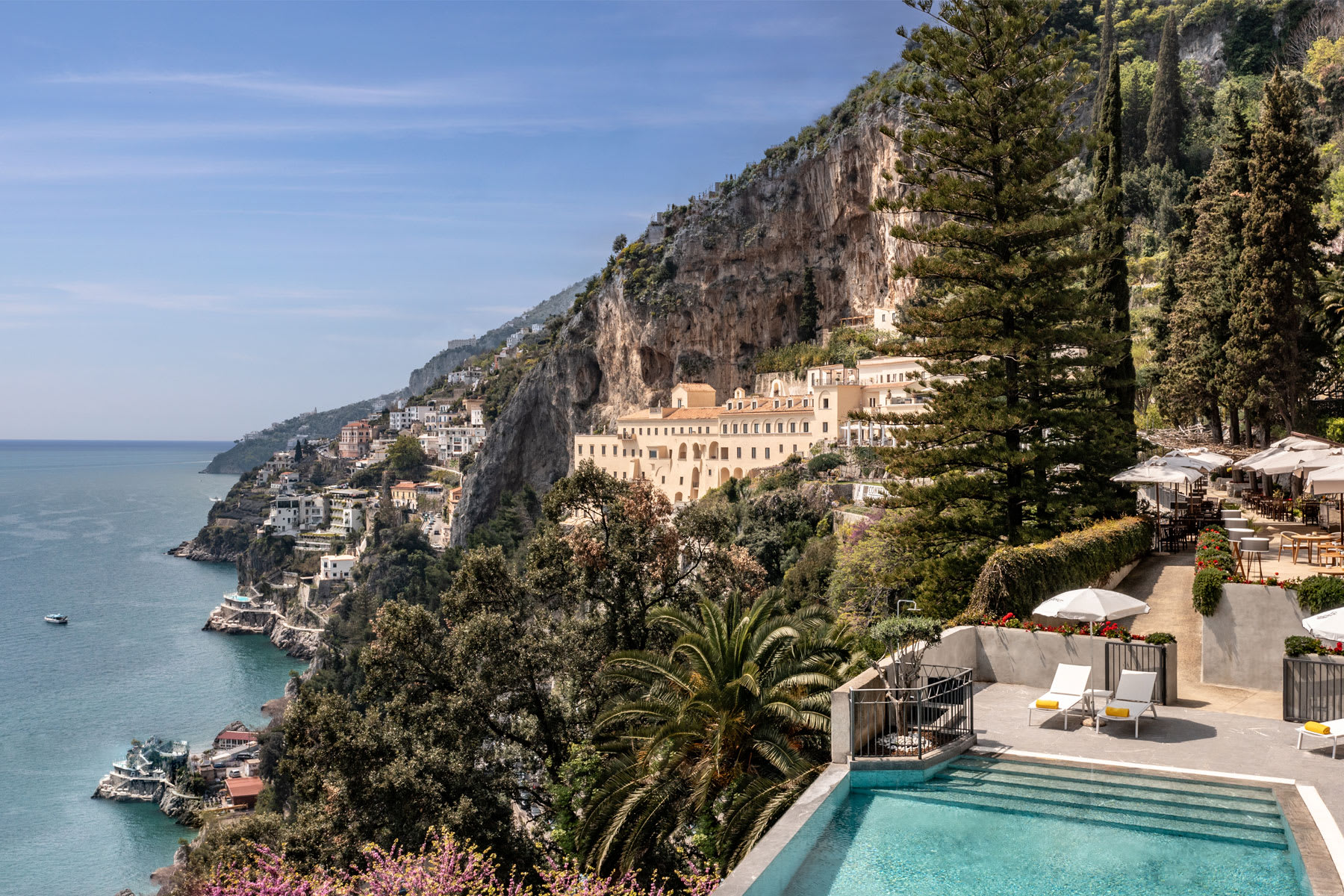
Anantara breathes new life into one of the Amalfi Coast’s most iconic landmarks, a 13th-century Capuchin convent built into the cliffside. The Anantara Convento di Amalfi Grand Hotel, a five-star hotel in the Amalfi mountains is a fine example of a sympathetically refurbished monument. Just a few minutes from the Piazza del Duomo, and overlooking the harbour, the location is unrivalled and the setting spectacular.
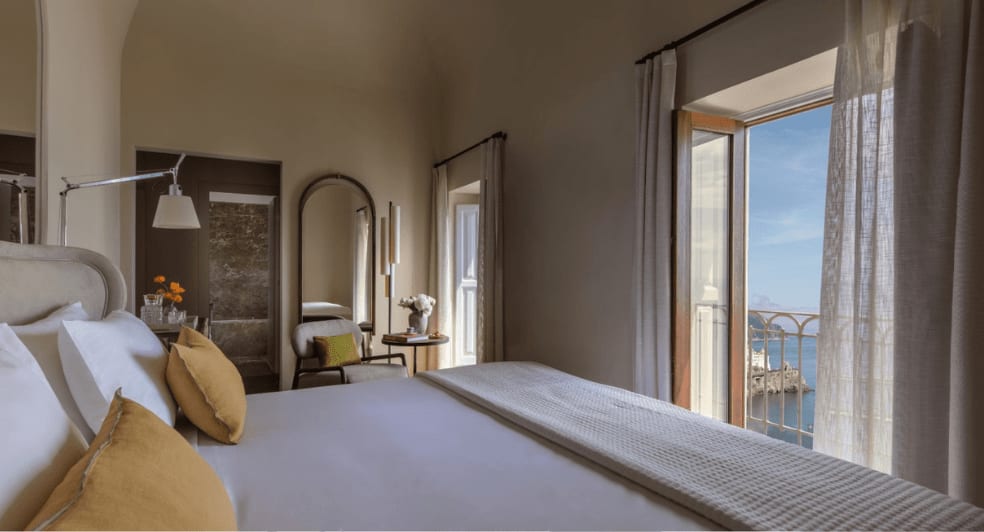
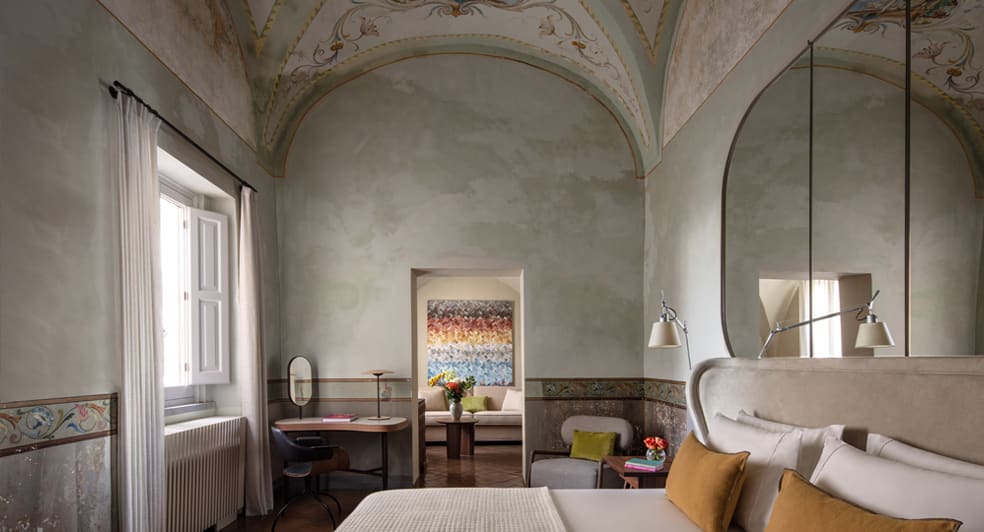
Completely renovated in 2023, almost all of our 52 suites and rooms look directly out to sea. They’re decorated with bright, neutral tones and chic contemporary furniture. They’ve all got air conditioning and free Wi-Fi.
Enjoy the ultimate experience by staying at a luxury hotel in Amalfi. Spend sunny days exploring the coast, then return to exquisite Italian cuisine by Chef Claudio Lanuto, poolside basking kissed by sea breezes, and Anantara Spa relaxation. It is the ideal place where to go for luxury holidays on the Amalfi Coast.
ACCOMMODATION
Choose Your Sanctuary
Rooms

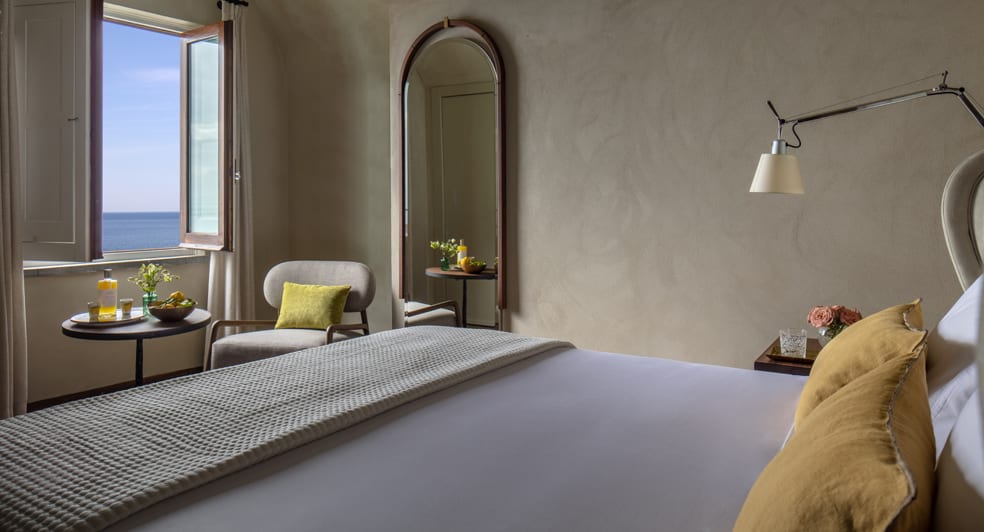
Rooms
Originally the monks’ quarters, these accommodations maintain their solemn simplicity, yet are infused with luxurious touches throughout. Almost all of our 52 suites and rooms look directly out to sea. They’re decorated with bright, neutral tones and chic minimalist furniture, all have been renovated in 2023.
• 18-25 sqm
• Sea views
• Accommodations for families
• 18-25 sqm
• Sea views
• Accommodations for families
Suites
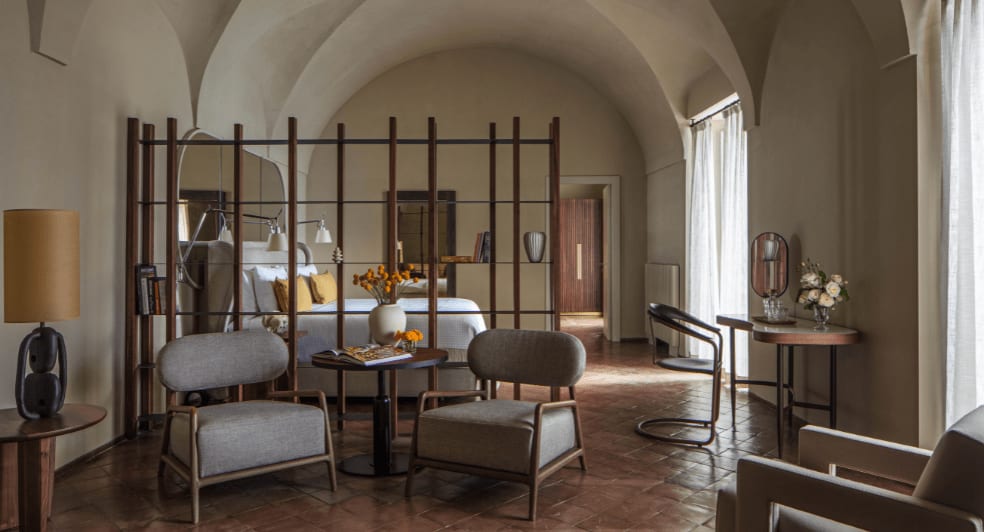
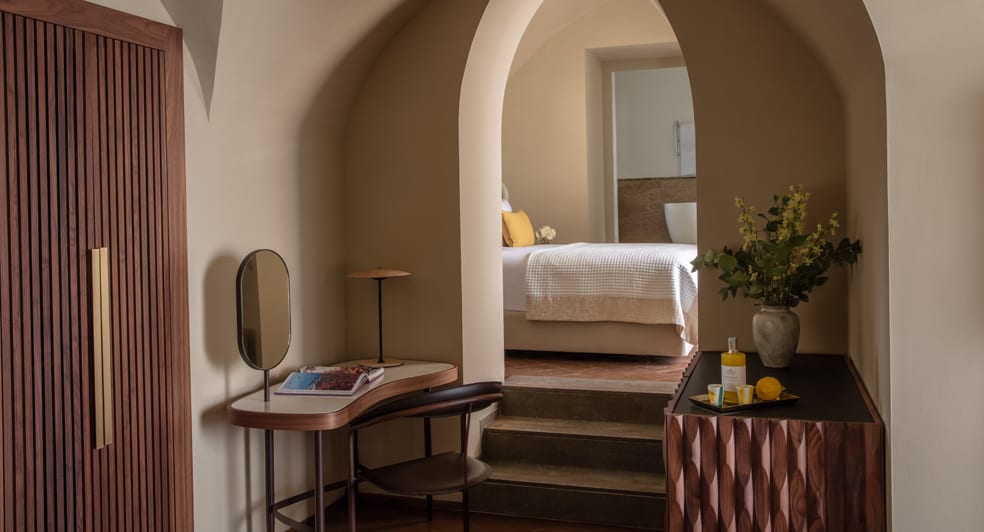
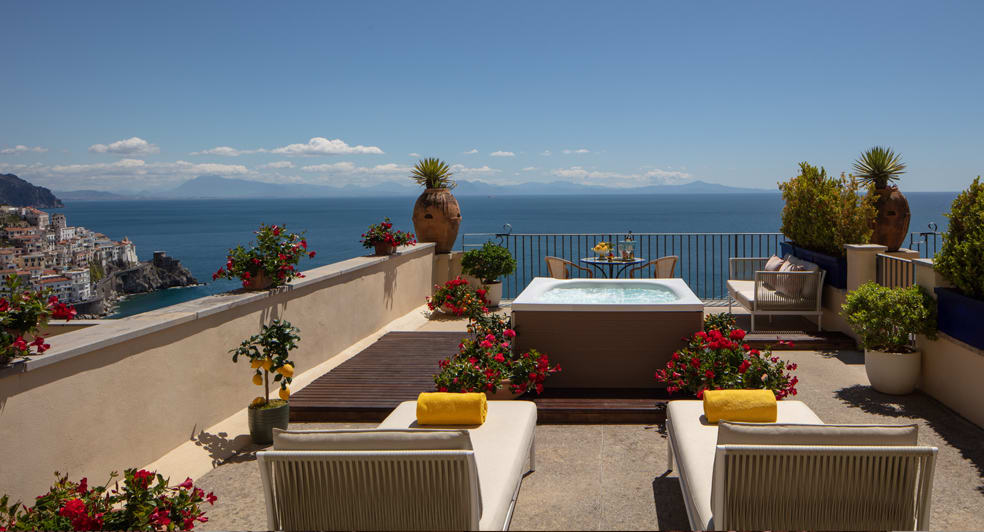
Suites
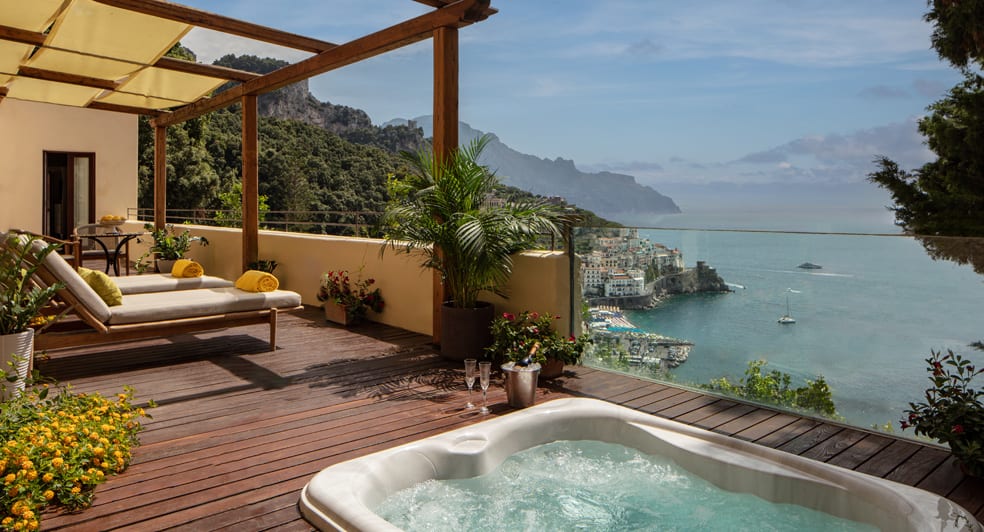
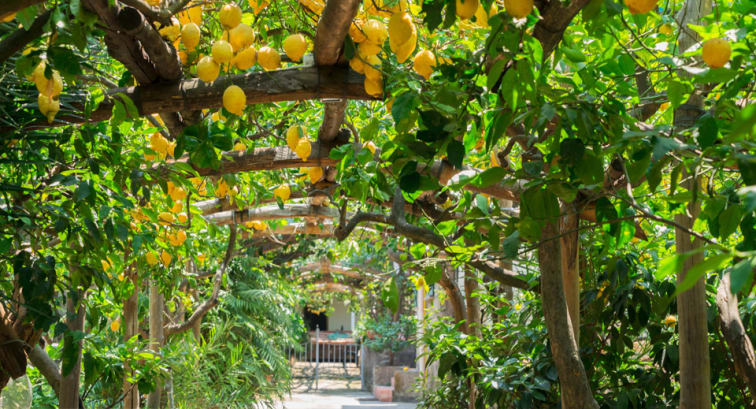
Suites are unique in layout and design, each with its own character. Opt for a private terrace with a jacuzzi, views of the cloisters, or a standalone suite in the lemon grove.
• 24-48 sqm
• Spacious living areas
• One-of-a-kind prior, “hermit” and presidential suites
• 24-48 sqm
• Spacious living areas
• One-of-a-kind prior, “hermit” and presidential suites

A Uniquely Storied Setting
Follow Us
YOUR ANANTARA JOURNEYS
Location
EXPLORE DAZZLING SURROUNDS
Anantara Convento di Amalfi Grand Hotel
Via Annunziatella, 46, Amalfi 84011
GPS:
40.632938, 14.597247
Open Google Map
Open Bing Map
-
- Positano
- Ravello
-
- Capri
- Emerald Grotto
-
- Mt. Vesuvius
- Naples
- Pompeii
-
- Antico Arsenale della Repubblica di Amalfi
- Chiostro del Paradiso
- Duomo di Amalfi
ANANTARA EXPERIENCES
YOUR MOST MEMORABLE MOMENTS

Awards & Accreditations
Enjoy an award-winning experience. See select accolades below.






FREQUENTLY ASKED QUESTIONS
Where is Anantara Convento di Amalfi Grand Hotel?
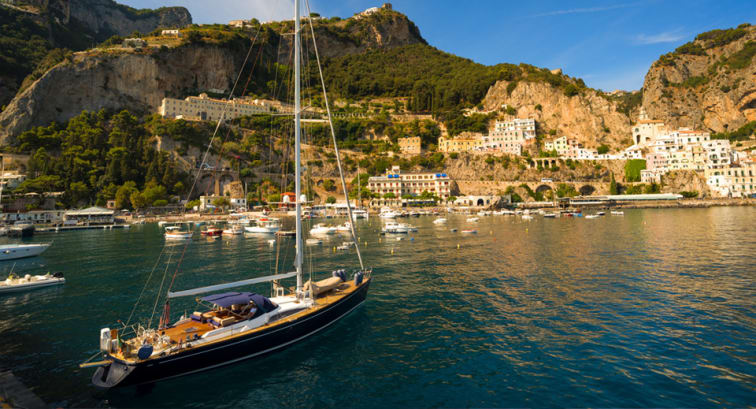
Anantara Convento di Amalfi Grand Hotel, a luxury hotel on the Amalfi Coast, is built into the cliffside overlooking the harbour, just 600 m from the town centre.
What is the history of Anantara Convento di Amalfi Grand Hotel?
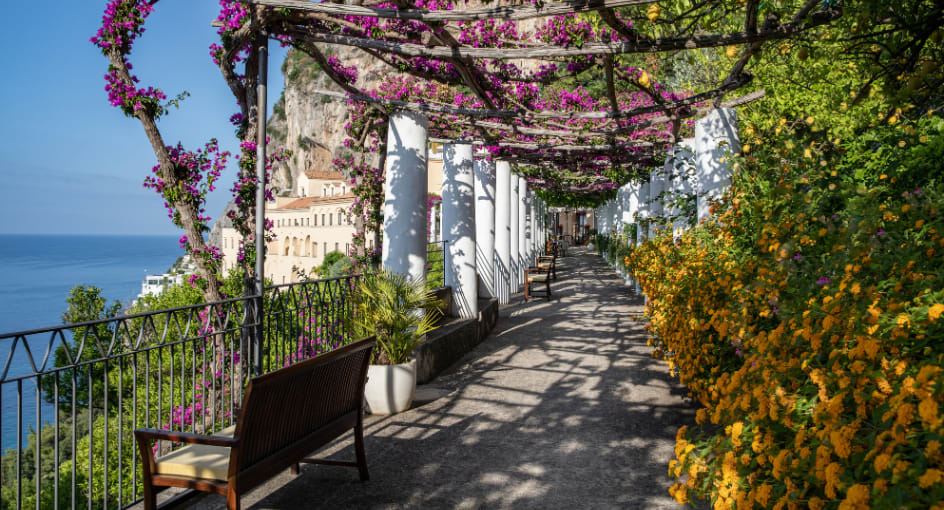
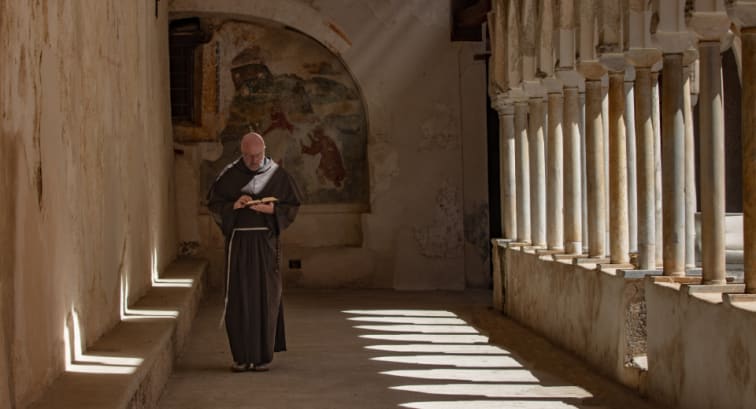
Anantara Convento di Amalfi Grand Hotel was originally a 13th-century Capuchin convent. While much remains, including the original cloisters and chapel, the property has been renovated with the luxuries for which the brand is known.
How do I get to Anantara Convento di Amalfi Grand Hotel?
Anantara Convento di Amalfi Grand Hotel is a one-and-a-half-hour drive from Naples International Airport. You can rent a car at the airport, or we can arrange a limousine for you.
Does Anantara Convento di Amalfi Grand Hotel offer parking?
Anantara Convento di Amalfi Grand Hotel offers valet parking with a daily charge.
What leisure facilities are there at Anantara Convento di Amalfi Grand Hotel?
Anantara Convento di Amalfi Grand Hotel, a luxury hotel on the Amalfi Coast, has a spectacular swimming pool and gym located on the cliffside. There is also the award-winning Anantara Spa.
Where is the nearest beach to Anantara Convento di Amalfi Grand Hotel?
Anantara Convento di Amalfi Grand Hotel offers access to the Lido degli Artisti beach club which is five minutes away by boat. Please note that charges apply.
Are there wheelchair-accessible rooms at Anantara Convento di Amalfi Grand Hotel?
Yes, Anantara Convento di Amalfi Grand Hotel has wheelchair-accessible rooms.
Is there air conditioning at Anantara Convento di Amalfi Grand Hotel?
Yes, there is air conditioning in all rooms and restaurants at Anantara Convento di Amalfi Grand Hotel.
Is Anantara Convento di Amalfi Grand Hotel family friendly?
Anantara Convento di Amalfi Grand Hotel is a great choice for families looking for a luxury experience on the Amalfi Coast, with family accommodations and kids’ menus at our restaurants. However, we ask that you assist us in maintaining a peaceful environment for the enjoyment of all our guests.
Are pets allowed at Anantara Convento di Amalfi Grand Hotel?
Anantara Convento di Amalfi Grand Hotel welcomes pets with prior reservation, although we have a maximum capacity per night. Please contact the hotel to book directly.
What are the main points of interest close to the Anantara Convento di Amalfi Grand Hotel?
The Anantara Convento di Amalfi Grand Hotel is located on a cliff top overlooking the Amalfi Coast. The port and center of Amalfi are just a 5-minute walk away.
What are some of the property amenities at the Anantara Convento di Amalfi Grand Hotel?
The hotel consists of 52 suites and rooms with sea views, a heated outdoor swimming pool, a gym, a spa, 2 first-class restaurants, a cloister, a private church, and terraces with panoramic views.
Does the Anantara Convento di Amalfi Grand Hotel offer any food or drink options?
This luxury hotel on the Amalfi Coast has two first class restaurants, Dei Cappuccini, the main restaurant, and La Locanda della Canonica by Gino Sorbillo, ideal for an informal outdoor lunch. We also have a buffet breakfast and a bar next to the reception.